Plan your trip
Health and safety
Simple steps to stay healthy and safe on your trip.
Last updated October 2026
This is general guidance, not medical advice. See a travel health clinic or your doctor several weeks before you travel.
Malaria
Malaria is a risk in much of Zimbabwe, including Victoria Falls, Hwange, Kariba, Mana Pools and the Lowveld. TravelHealthPro says the risk is high below 1,200 m from November to June, present all year in the Zambezi valley, and very low in Harare and Bulawayo. Ask a travel clinic whether you should take antimalarial tablets for your route, use insect repellent, and cover up in the evenings.
Vaccinations and yellow fever
A travel clinic can advise which routine and travel vaccinations you need. You need a yellow fever vaccination certificate if you arrive from, or have transited through, a country with a risk of yellow fever.
Food and water
- Drink bottled or treated water, and be careful with ice and raw food outside lodges and hotels.
- Avoid swimming or wading in rivers, lakes and dams because of bilharzia (schistosomiasis), as well as crocodiles and hippos.
Travel insurance
Take out travel insurance that covers medical treatment, evacuation by air and every activity you plan, such as rafting, bungee jumping or walking safaris. Medical facilities outside the main cities are limited.
Wildlife
Listen to your guide, keep a safe distance from animals, and never walk in the bush, along rivers or in unfenced areas after dark. Choose licensed operators and guides for activities.
Staying safe in towns
- Pickpocketing and bag snatching happen in city centres, especially after dark. Keep valuables out of sight and take a taxi at night.
- Be careful at cash machines and do not show large amounts of cash.
- Power cuts are common, so carry a torch or headlamp.
Laws to know
- Do not photograph government buildings, airports, police, soldiers or military sites.
- Avoid political gatherings and demonstrations.
- Civilians may not wear camouflage clothing.
- Buying or exporting protected wildlife products, such as ivory, is illegal and heavily punished.
- Same-sex relationships are illegal in Zimbabwe, and public displays of affection can attract attention.
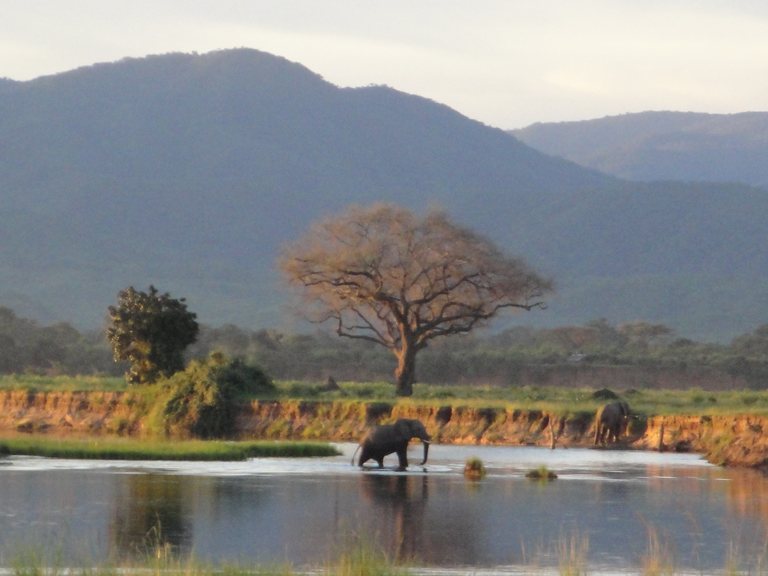
Photos: Victoria Falls · Photo: lumoplank · CC0 1.0Harare · Photo: lumoplank · CC0 1.0Eastern Highlands · Photo: Teddy Matendawafa · CC BY-SA 4.0Mana Pools · Photo: Babakathy · CC0 1.0Gonarezhou · Photo: Babakathy · CC0 1.0