Game drives
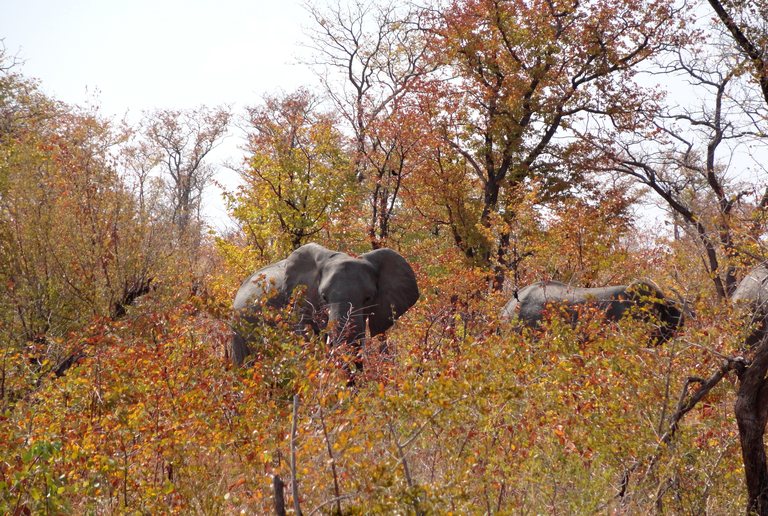
Early-morning and late-afternoon drives in an open vehicle, when animals are most active. The easiest way to cover ground and see a lot.

Things to Do
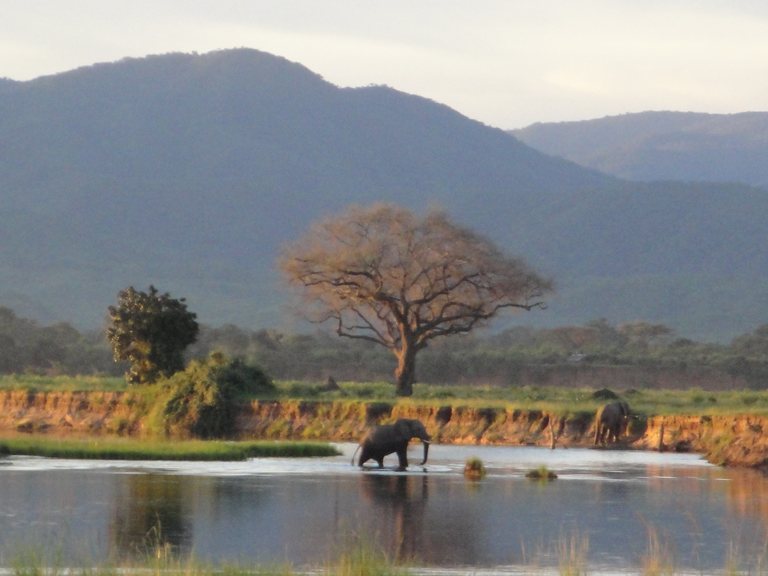
Big elephant herds, walking safaris with expert guides and quiet, uncrowded wilderness.
Why Zimbabwe
Zimbabwe's national parks cover huge areas of woodland, floodplain and granite hills, with far fewer vehicles than Africa's busiest parks. Its professional guides train for years before they can lead walks on foot, so a safari here is as much about tracks, birds and stories as about ticking off animals.
Most visitors combine two or three parks, or add a safari to Victoria Falls or Lake Kariba.
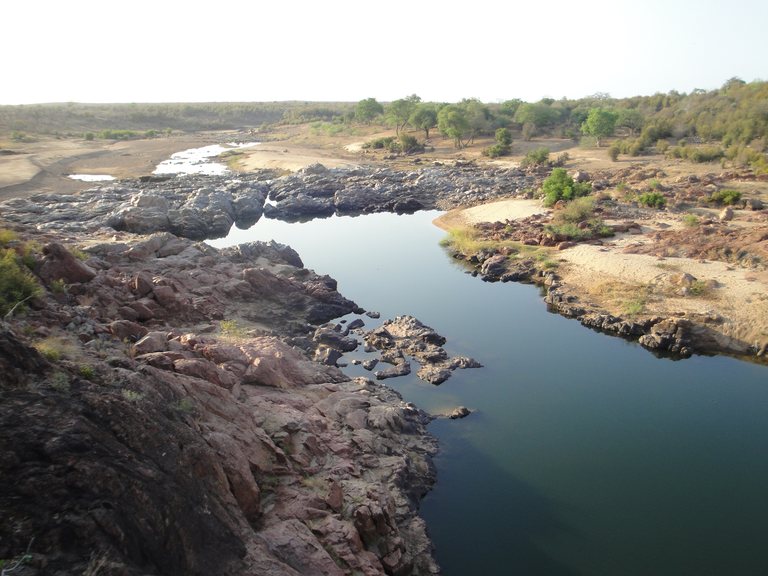
Hwange National Park · Photo: Fabio Achilli · CC BY 2.0Gonarezhou · Photo: Babakathy · CC0 1.0
Ways to explore
Early-morning and late-afternoon drives in an open vehicle, when animals are most active. The easiest way to cover ground and see a lot.
On foot with an armed, licensed guide: tracks, birds and plants, and animals met on their terms.
Paddling the Zambezi past hippos and elephants. River trips
Riding among plains game, a quiet way to get close. Most rides have experience and weight limits. Horseback rides
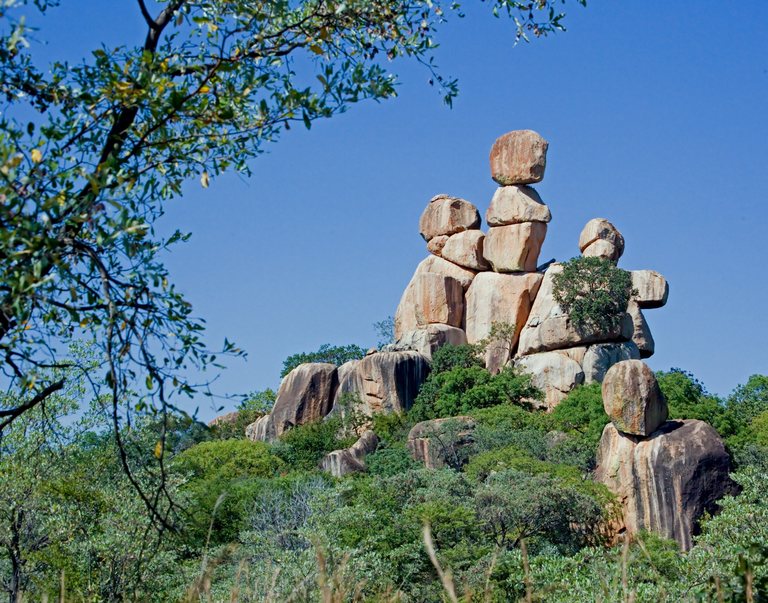
Following rhinos on foot with guides and rangers in the Matobo Hills.
Hundreds of species, from fish eagles on the rivers to carmine bee-eaters nesting in sandbanks. The rainy months bring migrant birds and breeding colours.
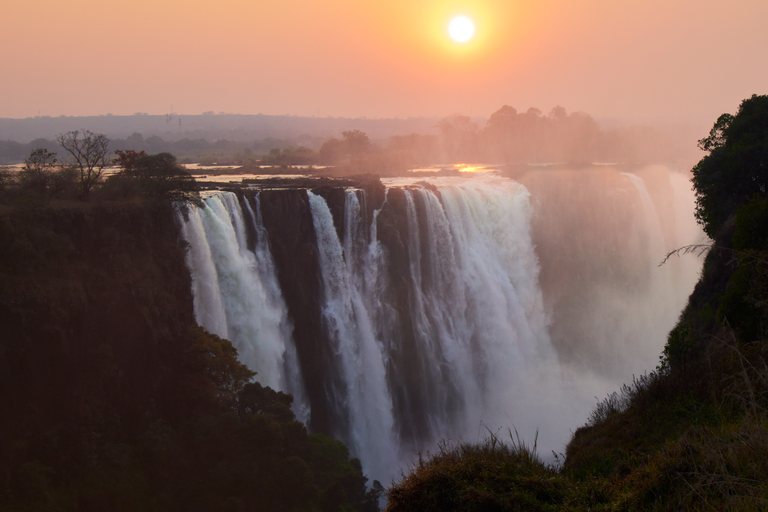
Sunset cruises on the upper Zambezi above Victoria Falls, and boat trips on Lake Kariba, with hippos, crocodiles and elephants at the water's edge.
Wildlife
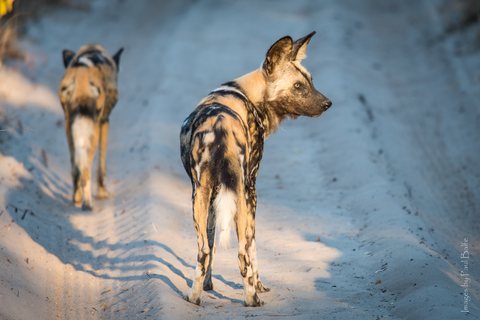
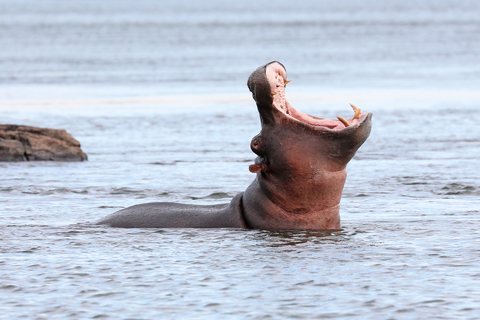
All five live in Zimbabwe. Sightings are never guaranteed: patience, a good guide and the right season make the difference.
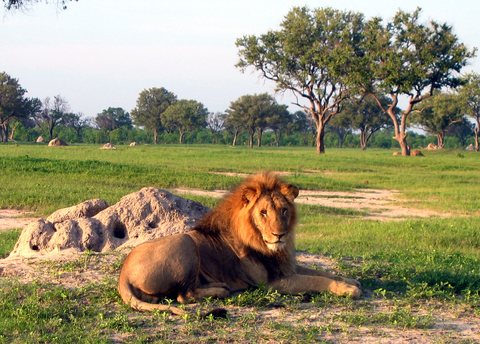
Prides roam Hwange, Mana Pools and Gonarezhou. Most active at dawn, dusk and after dark.
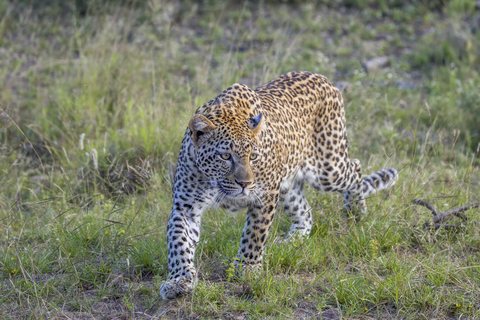
Found in most parks but secretive. The rocky Matobo Hills are known for them.
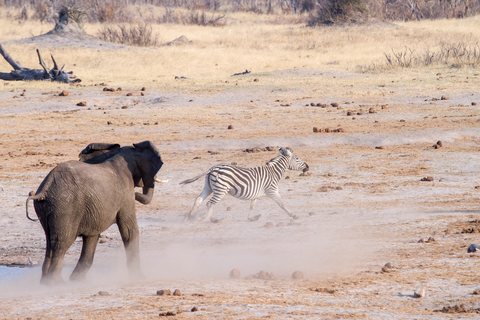
Hwange and Gonarezhou are home to some of Africa's largest elephant populations.
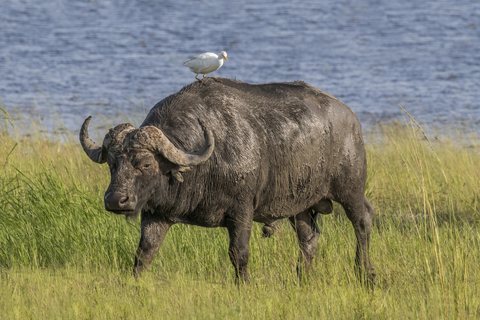
Big herds gather near water in the dry season, especially in Hwange and Mana Pools.
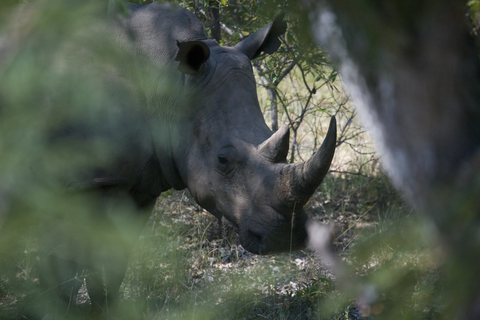
Black and white rhinos are rare and closely guarded. Matobo is the best-known place to track them.
Conservation
Zimbabwe's wildlife is protected by parks, rangers, conservation projects and the communities living alongside them. Park fees paid by visitors help fund that work.
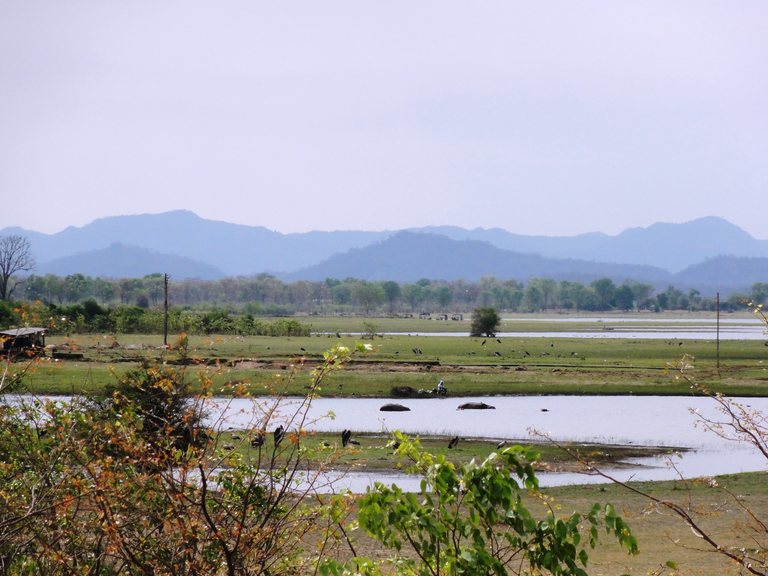
Give something back
Conservation volunteer programmes can involve wildlife monitoring and research, supporting anti-poaching teams, habitat work, and community projects such as conservation education in schools. Placements usually last from one to several weeks, and most charge a fee that covers food, lodging and the project's costs.
Where to go
Plan and book directly
Game drives, walking and mobile safaris, rhino tracking and conservation experiences in Zimbabwe's national parks and wildlife areas. Save the ones you like to My Trip, then contact each operator directly.
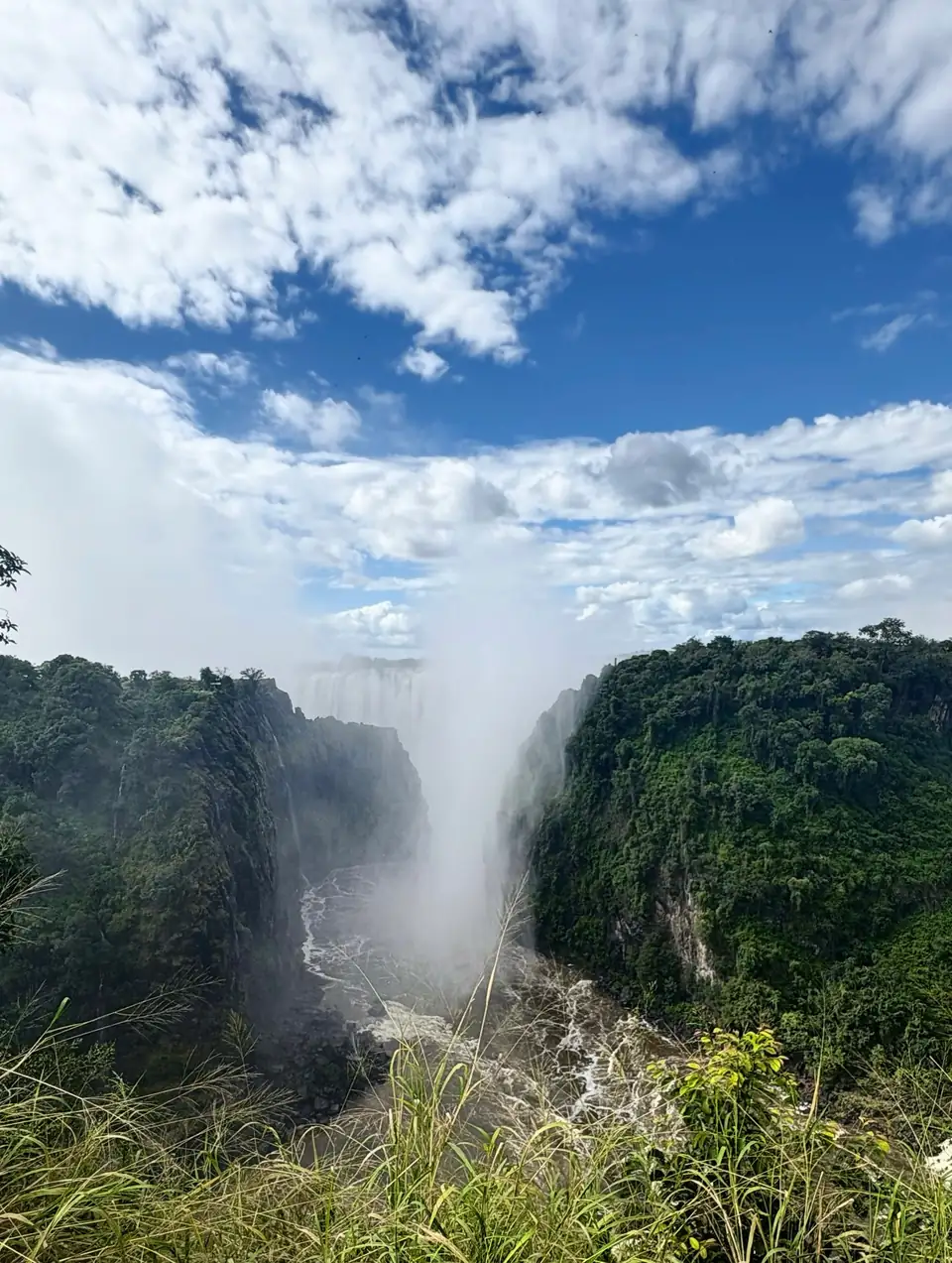 Victoria Falls area · Photo: Visit Zimbabwe
Activity
⌖ Victoria Falls Private Game Reserve, Victoria Falls, Zimbabwe
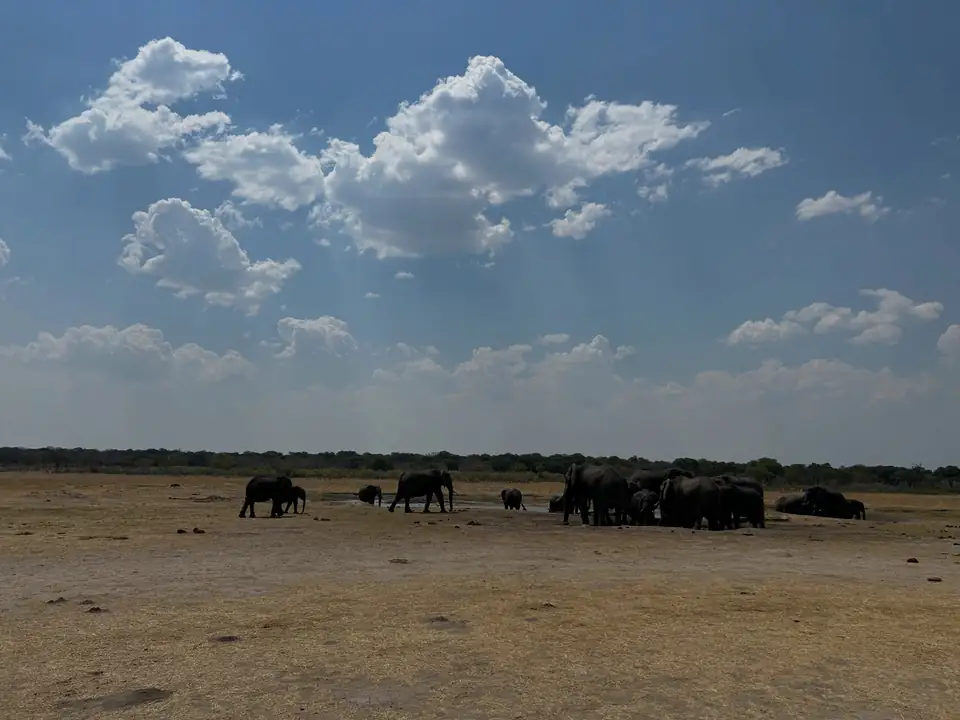 Hwange National Park area · Photo: Visit Zimbabwe
Activity
⌖ Dete, Hwange, Zimbabwe
Hwange National Park area · Photo: Visit Zimbabwe
Activity
⌖ Hwange National Park, Zimbabwe
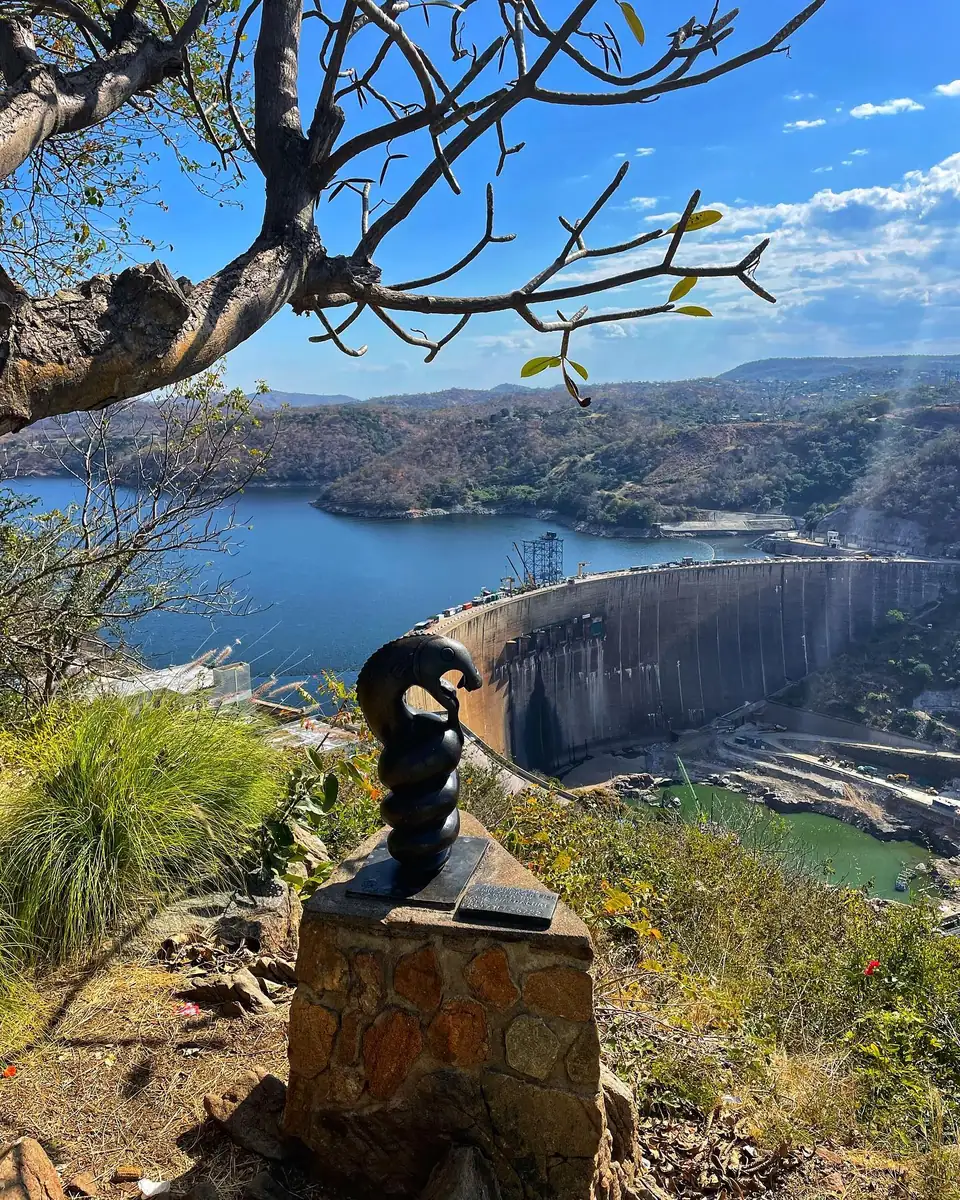 Lake Kariba area · Photo: Visit Zimbabwe
Activity
⌖ Kariba, Zimbabwe
Lake Kariba area · Photo: Visit Zimbabwe
Activity
⌖ Marineland Harbour, Caribbea Bay Road, Kariba, Zimbabwe
Activity
⌖ D3928 Westwood, Chiredzi, Zimbabwe
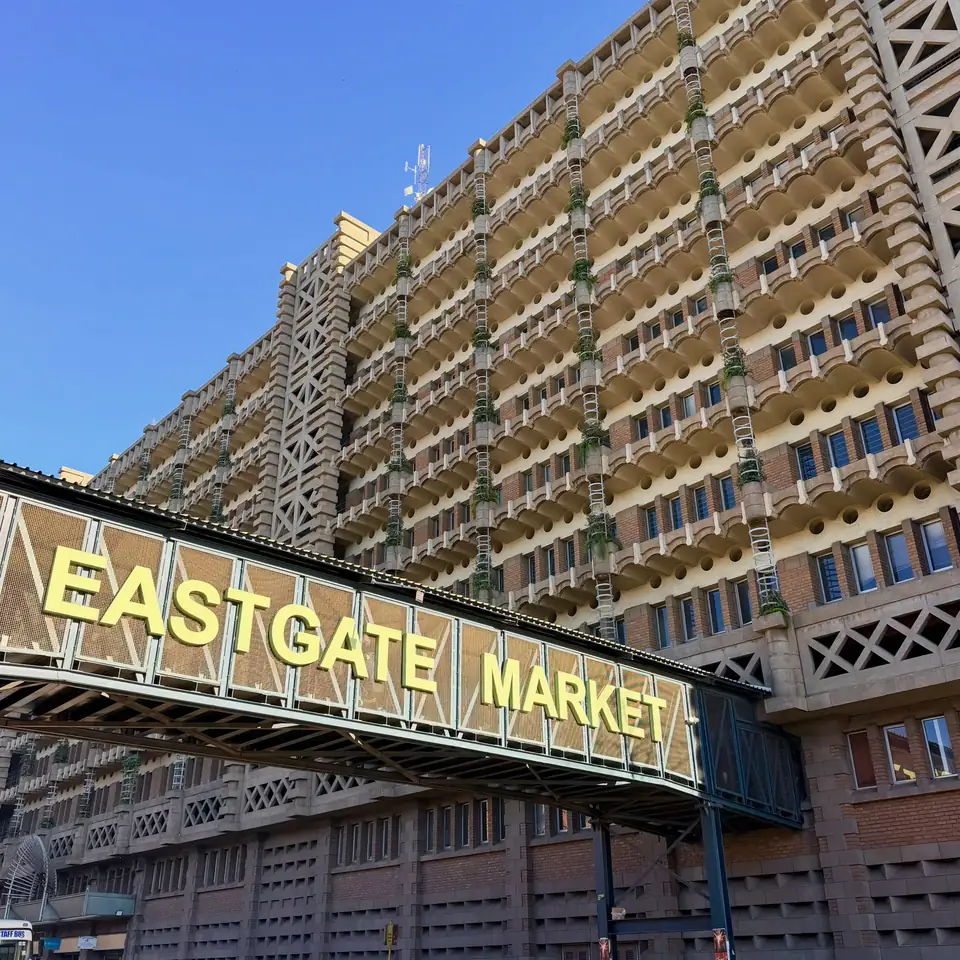 Harare area · Photo: Kennie Ting (@tingkennie)
Attraction
⌖ Bridge Road, Wedza, Zimbabwe
Activity
⌖ 6 Donegal Road, Bulawayo, Zimbabwe
Activity
⌖ 28A Dalston Road, Bulawayo, Zimbabwe
Accommodation
⌖ Bulawayo Road, Gweru, Zimbabwe
Also see water & river trips, horseback rides and all things to do.
Saved on this device
Keep your favourite places together. Saved IDs stay in this browser, not in a Visit Zimbabwe account. Details are refreshed each time you open this page.
Checking saved places…
Published place
Loading place…


