Plan your visit
Matobo Hills
The best months for the hills, the road from Bulawayo, the rock art and World’s View, and how to track rhino safely.
Last updated October 2026
When to visit
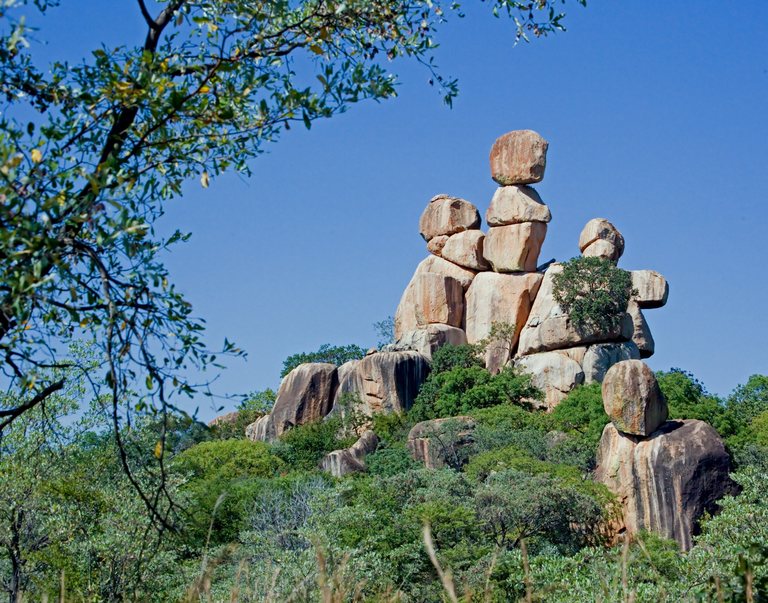
The Matobo Hills can be visited all year. UNESCO describes them as a sea of granite hills about 35 km south of Bulawayo, shaped by millions of years of weathering, and Matobo National Park within them covers about 424 km².
- Cool, dry months, about May to August. Clear, sunny days that are good for walking and climbing the granite domes, with cold nights. Zimbabwe Parks recommends warm clothing for the evenings.
- Hot months, about September to October. Dry and hot before the rains. Start walks early and carry water.
- Rainy season, about November to March. The hills turn green and the dams fill. Afternoon storms are common, and the granite becomes slippery when wet.
Each August an annual pilgrimage draws more than a thousand people to the shrines of the Mwari religion in the hills, UNESCO notes. If you visit then, respect the ceremonies and any areas that are closed to visitors.
Getting there and around
Bulawayo is the gateway. Zimbabwe Parks gives this route: from the city centre take Robert Mugabe Way, which becomes Matopos Road and continues south for 30 km to the national park boundary. The tarred road continues as a single-lane tarred road to Maleme Dam and Rest Camp.
- Inside the park. The remaining roads are gravel and suitable for most vehicles, but Zimbabwe Parks notes that some areas can only be reached with a high-clearance 4x4.
- By air. Fly into Bulawayo's international airport and continue by road. Many lodges and tour operators arrange transfers and day trips from Bulawayo.
- Day trips or overnight. The park is close enough to Bulawayo for a day trip, but staying a night or two in the hills lets you combine rhino tracking, rock art and sunset views without rushing.
Rock art and heritage
Matobo became a UNESCO World Heritage cultural landscape in 2003. UNESCO says the hills hold one of the highest concentrations of rock art in southern Africa, dating back at least 13,000 years, and evidence of human occupation over at least 500,000 years. Painted caves such as Nswatugi, Bambata, Inanke and Silozwane can be visited, some with a walk or climb from the road.
World's View, or Malindidzimu, is a granite summit with wide views over the hills. Zimbabwe Parks notes that Cecil Rhodes is buried there, alongside Charles Coghlan and Leander Starr Jameson, together with a memorial to the soldiers of the Shangani Patrol and a small gallery.
The hills remain sacred to local communities, who still use shrines linked to the Mwari religion. UNESCO notes that visitors have caused some damage to rock paintings, so never touch, wet or chalk the paintings, and follow guidance about places that are closed.
Safety and access
- Rhino tracking. Zimbabwe Parks lists Matobo as one of three intensive rhino protection zones, with both black and white rhino. Track rhino on foot only with licensed guides, and follow their instructions closely; Zimbabwe Parks warns visitors to be careful of rhinos with calves.
- Slippery rocks. Zimbabwe Parks warns of slippery rocks. Wear shoes with good grip on the granite, especially after rain, and take care near steep edges.
- Leopards and other wildlife. Zimbabwe Parks says Matobo has the world's densest population of leopards, as well as hippos in its dams. Keep to permitted areas and do not walk after dark.
- Supplies. If you self-cater, bring enough food for your stay, a first-aid kit and a torch, as Zimbabwe Parks suggests. Bulawayo is the nearest place to stock up.
- Fees. Confirm current park entry fees, and any separate fees for World's View or guided activities, before you go.