
Plan your visit
Mana Pools
When the floodplain is at its best, how to reach this remote park and check that roads are open, and how to explore safely.
Last updated October 2026
When to visit
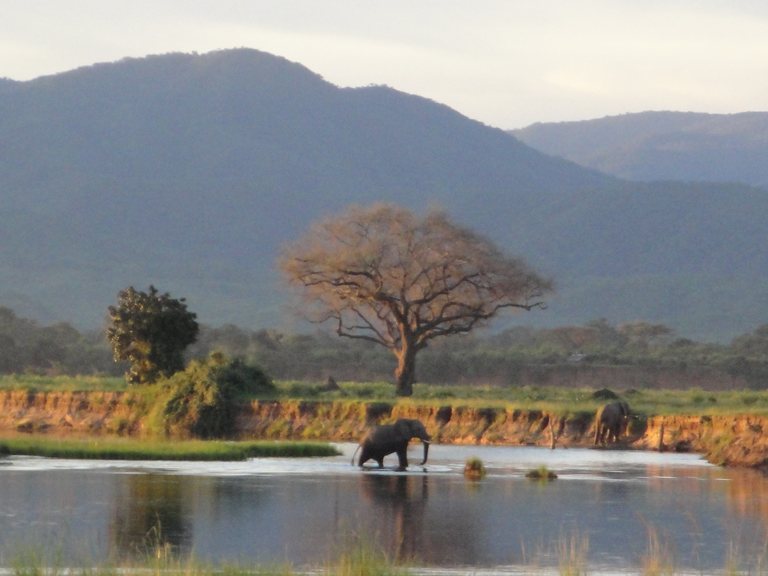
Mana Pools lies on the Zambezi floodplain in the far north of Zimbabwe. UNESCO describes the annual gathering of animals along the river as one of Africa's outstanding wildlife spectacles: in the dry months, herds of elephant and buffalo, with zebra, waterbuck and other antelope and the predators that follow them, move down to the floodplain.
- Dry season, about May to October. The main visitor season. Wildlife concentrates near the river and the pools, and the bush thins out. It gets very hot from September.
- Rainy season, about November to April. The valley turns green and birdlife is at its best, but heavy rain makes the gravel roads difficult or impassable, and many camps close for part of the season.
Rain can damage the roads badly. In March 2026, Zimbabwe Parks warned that heavy rains had damaged major access roads and part of the Rukomechi bridge, and advised self-drive visitors not to travel to the park until further notice. Always check current access with Zimbabwe Parks or your camp before you set off, especially early or late in the season.
Getting there and around
Mana Pools is remote. The park covers about 2,196 km² between the Zambezi to the north and the steep Zambezi escarpment to the south, which UNESCO says rises more than 1,000 m above the valley floor. There is no permanent human settlement inside the World Heritage property.
- By road. The usual route is the main road north from Harare towards Chirundu, turning off below the escarpment onto gravel roads into the park. Road visitors usually collect an entry permit from the Zimbabwe Parks office at Marongora before descending, and check in at the park office on arrival. Confirm the current procedure, opening times and road conditions with Zimbabwe Parks before you go.
- Vehicles. Use a high-clearance vehicle, ideally a 4x4, and carry enough fuel, water and food for your whole stay. There are no shops in the park.
- By air. Many lodges arrange light-aircraft transfers to airstrips in and near the park, which avoids the long drive.
The Mana Pools office can be contacted on +263 718 058 794, according to Zimbabwe Parks.
Safety and access
Mana Pools is known for allowing visitors to walk in parts of the park, which makes it special and also demands care. Lion, elephant, buffalo, leopard and painted dogs live here, and Zimbabwe Parks lists about 380 bird species.
- Walk with a licensed guide. Even where walking is permitted, the safest way to explore on foot is with a licensed professional guide who knows the animals and the terrain.
- The river and the pools. Long Pool, the largest of the four pools that give Mana its name, stretches more than 6 km and has a permanent population of hippos and crocodiles. Keep well back from the water's edge, and never swim.
- Camps are unfenced. Animals walk through campsites and lodges, often at night. Stay alert, keep food sealed away and use a torch after dark.
- Malaria. TravelHealthPro says malaria risk is present all year in the Zambezi valley. Ask a travel clinic about antimalarials and cover up at dusk.
- Medical care. Help is a long way off. Carry a good first-aid kit and take out insurance that covers medical evacuation by air.