Plan your visit
Lake Kariba
The seasons on the lake, how to reach the town, the islands and Matusadona, and how to stay safe around crocodiles and hippos.
Last updated October 2026
When to visit
Lake Kariba is warm all year. Zimbabwe Parks describes it as the largest man-made lake in the world by volume: at capacity it is 282 km long, up to 32 km across and 116 m deep, covering 5,580 km². The dam was built between 1955 and 1959, and the recreational park around the lake covers 2,872 km².
- Cool, dry months, about April to August. Pleasant days and cool nights. Zimbabwe Parks recommends warm clothing for the evenings, especially on the water.
- Hot months, about September to November. The hottest time of year on the lake, before the rains. Plan activities for early morning and late afternoon.
- Rainy season, about November to March. Warm with storms. Zimbabwe Parks suggests cool, comfortable clothing, sunhats and sunscreen from September to March.
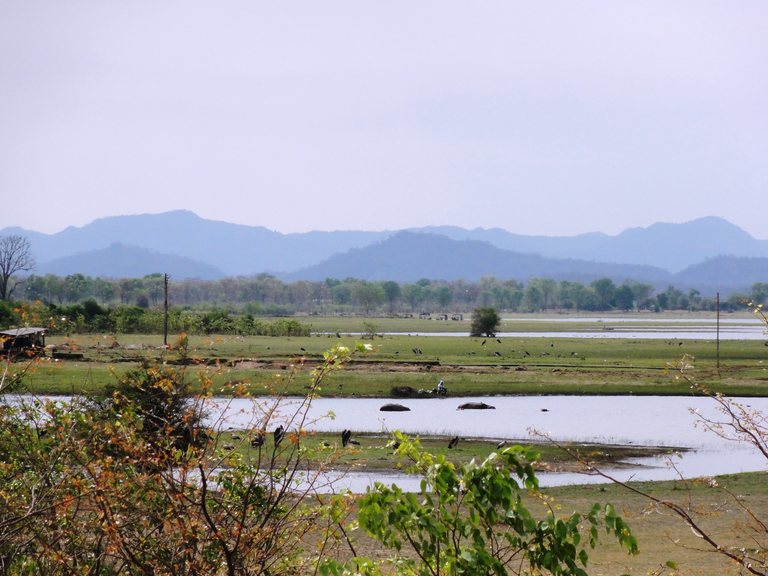
Zimbabwe Parks notes that wildlife numbers around the shoreline rise and fall with the lake's water level. The lake holds more than 40 fish species, including tigerfish, bream, barbel and chesa, so fishing is popular all year; ask your operator about permits and the best months for the species you want to catch. Wind and storms can make open water rough, so boat trips depend on conditions on the day.
Getting there and around
Kariba town, at the eastern end of the lake beside the dam wall, is the main gateway. It is reached by road from Harare via Makuti, and has an airport used by charter and seasonal flights. Distances around the lake are long, so check how you will reach your accommodation before you travel.
- By boat. Many lodges and houseboats are reached only by water. Hosts usually arrange boat transfers from Kariba's harbours, so confirm pick-up points and times in advance.
- To Matusadona National Park. Zimbabwe Parks says the park can be reached by boat from Kariba (from Lake Harvest or Chawara harbour), by road from Karoi via the Binga road (entering at Chifudze, 68 km from Tashinga, the park headquarters), or by charter aircraft to the Tashinga airstrip with prior permission to land.
- The islands. Well-known islands include Fothergill, Spurwing, Antelope and Chete. Many are reached only by boat or light aircraft, through the lodge you are staying with.
Matusadona National Park
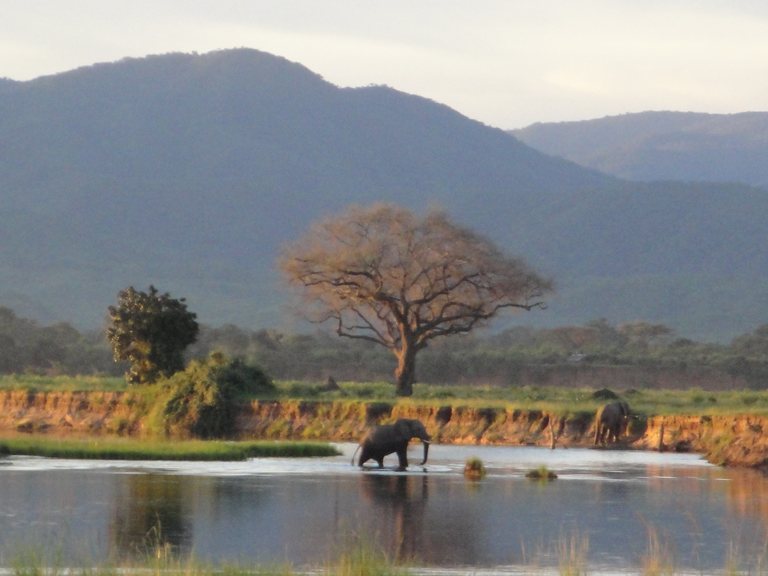
On the lake's southern shore, Matusadona National Park takes its name from the rolling Matusadona hills. Zimbabwe Parks describes it as a remote and rugged park of 1,470 km², flanked by the lake and the Ume and Sanyati rivers, and the first in Zimbabwe managed under African Parks. Visitors come for elephant, lion, buffalo and leopard, plains game such as impala and kudu, and rich birdlife. During the flooding of the valley between 1958 and 1964, Operation Noah rescued about 6,000 animals, most of which were moved to Matusadona.
Safety and access
- Crocodiles and hippos. Zimbabwe Parks warns of crocodiles along the shore. Keep away from the water's edge, never swim in the lake, and take care getting in and out of boats.
- Elephants. Elephants walk through Kariba town and along the shoreline. Give them plenty of space, especially at night.
- The dam wall. Zimbabwe Parks advises visitors not to get too close to the edge on the dam wall. Rules for photography and access at the wall can change, so ask locally.
- Malaria and bilharzia. Kariba lies in the Zambezi valley, where TravelHealthPro says the malaria risk is present all year. Zimbabwe Parks recommends mosquito repellent and a mosquito net. Avoid swimming or wading in the lake because of bilharzia as well as wildlife.
- On the water. Choose licensed boat and fishing operators, wear a life jacket, and respect the skipper's decision if the weather turns.