Plan your visit
Hwange National Park
The best months for wildlife, the roads and airstrips into the park, and how to stay safe among elephants.
Last updated October 2026
When to visit
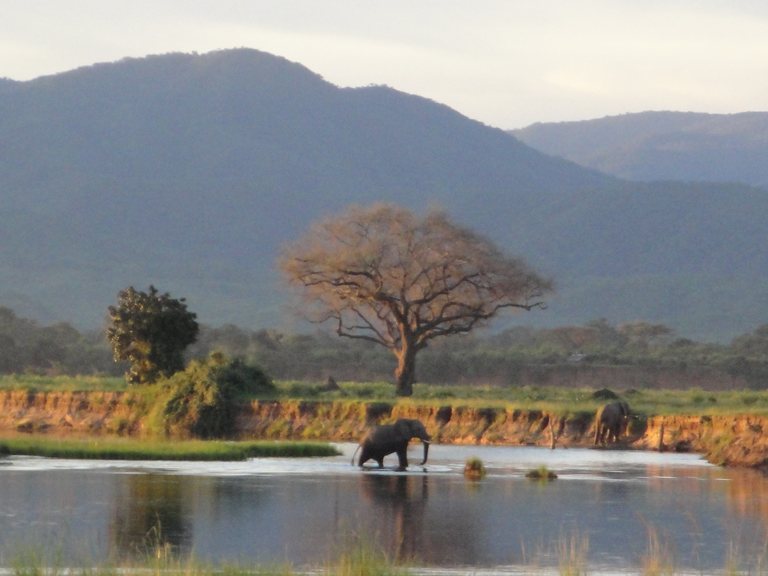
Hwange is Zimbabwe's largest national park, covering 14,650 km² of savanna grassland and teak and mopane woodland. Zimbabwe Parks says it holds the country's largest elephant population, Africa's largest population of endangered wild dogs, about 100 mammal species and nearly 400 bird species. What you see, and how easily, depends on the season.
- Dry season, about July to October. Usually the best time for game viewing. The bush thins and animals gather near water, so sightings around pans are frequent. October is very hot.
- Cool months, about May to August. Dry, sunny days with cold mornings and nights. Zimbabwe Parks advises walkers to carry warm, windproof and waterproof clothing and a warm hat, which is also useful on early game drives in open vehicles.
- Rainy season, about November to March. The park turns green, many animals have young and migratory birds arrive. Animals spread out as water becomes plentiful, and some roads can be harder to drive after heavy rain.
No sighting is ever guaranteed. Ask your camp or guide how conditions look before you travel.
Getting there and around
Hwange lies in north-western Zimbabwe, between Bulawayo and Victoria Falls. Zimbabwe Parks gives these road routes to its main camps:
- Main Camp from Bulawayo. Drive 283 km towards Victoria Falls, turn left at Cross Mabale, then continue 23 km on tar.
- Main Camp from Victoria Falls. Drive 172 km towards Bulawayo, turn right at Cross Mabale, then continue 23 km on tar.
- Robins Camp from Victoria Falls. Drive 46 km on the Victoria Falls–Hwange road, turn right at the Pandamatenga turn-off, then continue 64 km.
- Robins Camp from Bulawayo. Follow the route to Main Camp, then drive about 145 km through the park.
The nearest international airport is Victoria Falls. Main Camp has an airstrip for private and charter aircraft, which needs prior landing permission from Main Camp, and Robins Camp has a serviced airstrip. Many lodges include road or air transfers from Victoria Falls, which is often the simplest option. If you drive yourself, ask your lodge whether you need a high-clearance or 4x4 vehicle for the roads you will use, avoid driving after dark, and fill up with fuel whenever you can.
Inside or outside the park
Accommodation around Hwange falls into two groups, and it is worth knowing which one you are booking.
- Inside the national park. Zimbabwe Parks runs rest camps such as Main Camp and Robins Camp, and some private camps operate within the park. Park entry fees apply, and park rules on driving times, speed and staying in your vehicle apply to every visitor.
- Private concessions and community land. Several lodges sit just outside the park boundary and run game drives on their own land, entering the park through nearby gates. Ask your lodge whether park fees are included, which gate it uses, and whether its drives go into the national park itself.
Confirm current entry fees and gate opening times with Zimbabwe Parks before you travel, and carry US dollars in small notes.
Health and safety
- Malaria. Zimbabwe Parks advises malaria precautions. TravelHealthPro says the risk is high below 1,200 m from November to June and lower from July to October. Ask a travel clinic about antimalarials and cover up at dusk.
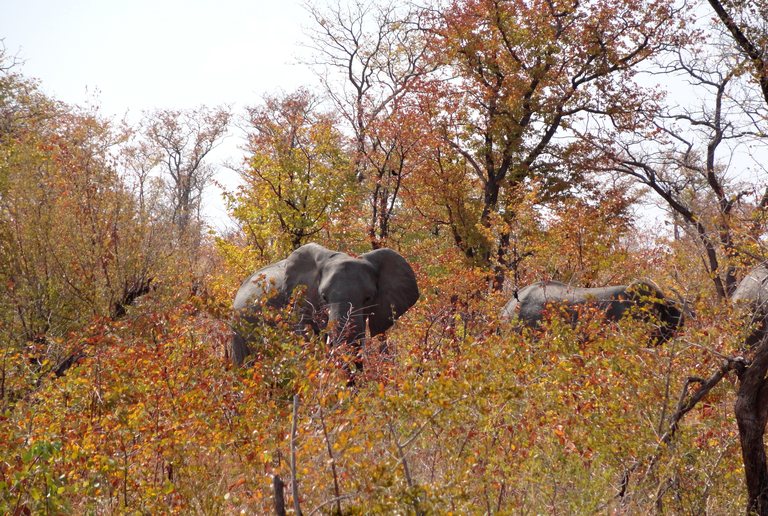
- Elephants. Zimbabwe Parks warns visitors to be wary of elephants, especially cows with calves. Keep a respectful distance, never get between a mother and her young, and switch off or reverse away quietly if an elephant shows signs of stress.
- On foot. Only walk with a licensed guide, and stay in your vehicle except at marked places.
- Supplies. If you self-cater, Zimbabwe Parks suggests bringing enough food for your whole stay, a first-aid kit and a torch. Shops inside the park are limited.
- Medical care. UK travel advice says healthcare can be very poor outside the major cities. Take out insurance that covers medical evacuation.