Plan your visit
Gonarezhou
The seasons and annual closures, the routes and airstrips into the park, camping supplies, and how to meet elephants calmly.
Last updated October 2026
When to visit
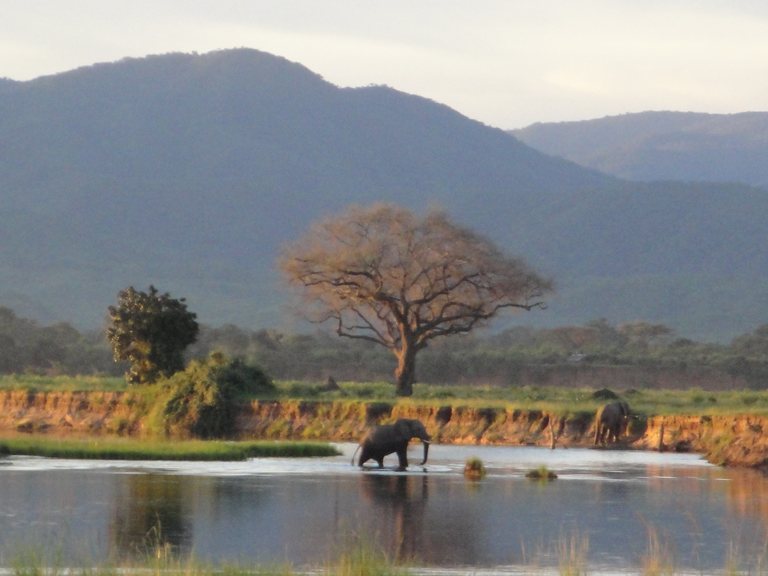
Gonarezhou, "the place of elephants", is Zimbabwe's second-largest park, covering about 5,000 km² in the south-east of the country. It is managed under a partnership between Zimbabwe Parks and the Frankfurt Zoological Society, and its visitor information gives this guide to the seasons:
- Cool, dry season, April to August. Described as ideal, with comfortable day and night temperatures. The best weather for camping runs from April to September.
- Hot, dry season, September to November. The peak of the dry season. Days are hot, but game viewing at waterholes can be spectacular.
- Hot, wet season, November to March. Daytime temperatures often rise above 35°C, and thunderstorms make the park harder to explore.
Seasonal closures: the park's remote camps, which become inaccessible in the rains, close from late November to March or April each year, and the whole park is closed to tourists from 10 January to 1 March. Plan around these dates.
Getting there and around
Chiredzi is the nearest town. Zimbabwe Parks gives this route to the northern entrance at Chipinda Pools: from the Chiredzi turn-off, follow the main tarred road towards Mutare for 21 km, turn south at the Chipinda Pools signpost and follow the gravel road for about 34 km to the park entrance, roughly 55 km from Chiredzi.
- Other routes. The park has several entrances, and the best one depends on where you are coming from. The park's reservations team can recommend a route and gate.
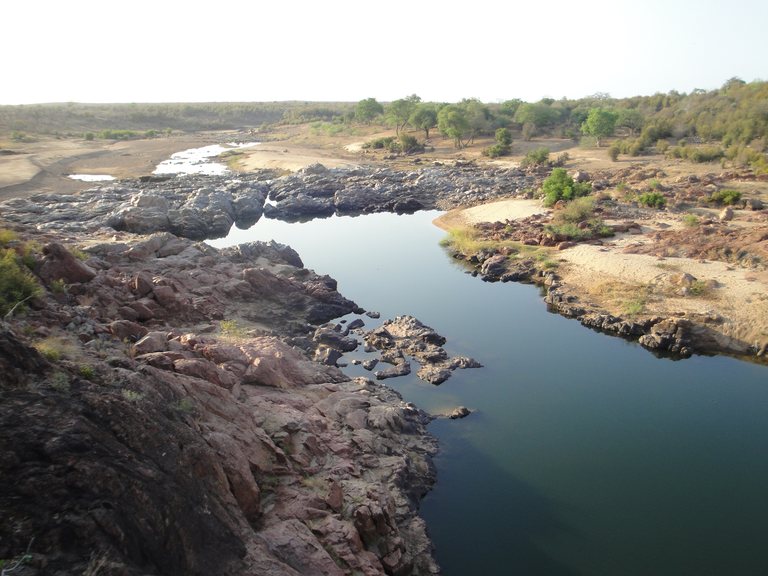
- From Kruger. There is no direct crossing from Kruger National Park yet. The park says you can travel from Kruger through the Pafuri border into Mozambique and north to the Sango border into Zimbabwe, crossing two sandy riverbeds on the way.
- By air. With prior approval, charter flights can use three registered airstrips in the park, at Chipinda Pools, Mabalauta and Malipati. Customs and immigration for international charters are at Buffalo Range Airport in Chiredzi. The park asks for at least seven days' notice.
- Vehicles. At the very least, use a high-clearance vehicle. In the dry season most of the park, apart from river crossings, can be driven in a high-clearance two-wheel drive, but a high-clearance 4x4 is recommended. For remote areas or sandy river crossings, travel with two vehicles and recovery gear.
Camping and supplies
Gonarezhou offers bush camping, self-catering camps and guided safaris. It is a wilderness park, so come self-sufficient.
- No shops in the park. Chiredzi, about an hour's drive from Chipinda Pools, has supermarkets for restocking.
- Water. Self-catering camps and developed campsites have running water from boreholes or the riverbed, but it is untreated, so bring your own drinking water. Other campsites have no running water.
- What to pack. For camping, bring everything you need for a remote trip, plus recovery equipment, a portable compressor, spare tyres, insect repellent and sun cream.
- Fishing. No fish may leave the park, catch-and-release is recommended and fishing zones are limited. Ask reservations about fishing at your camp.
Safety and access
- Elephants. The park says you are almost certain to meet elephants, with more than 11,500 in the park. Some have a reputation for aggression, though most encounters are positive. Give elephants space, do not rev your engine or hoot, make sure you have a way to move off, and stay calm. Zimbabwe Parks also warns of elephants with calves.
- Rivers. Crocodiles and hippos live in the rivers. Take great care if you collect water from the river at camp, and never swim.
- Heat. Carry plenty of water, especially from September to March.
- Malaria. Much of the south-east lies below 1,200 m, where TravelHealthPro says malaria risk is high from November to June. Ask a travel clinic about antimalarials.
- Remoteness. Help can be far away. Carry a first-aid kit, tell someone your route, and take out insurance that covers medical evacuation.